News from the Marshall House
The Marshall House continued its engagement with the Women in War Symposiums in May.
The foundation event had been presented by The Marshall House in 2022 and included speakers
Holly Mayer, a chair of military history at the US Military Academy, West Point and prominent author on leading topics such as Women Waging War in the American Revolution.
Todd Braisted, authority on Loyalist military history
Lois Huey presenting Molly Brant: A Legacy of Her Own
In May 2026 the Henry Knox and Women in War Symposium was presented in conjunction with American Revolution commemorations across the nation including many events authorized by the Saratoga County Board of Supervisors. A speaker sponsored by The Marshall House was Paul Staiti who spoke on the calamity of Jane McCrea, bringing new insights about the production of historical iconography.
In 2024 Dr. Friederike Baer came to Saratoga and shared exceptional findings on the Baroness Riedesel in her address, "With the Battle of Saratoga our Misfortunes began, Friederike Riedesel in the War for American Independence".
Dr. Baer is a leading researcher on German troops accompanying the British Army in the American Revolution. https://friederikebaer.com/
A work of music is being prepared for presentation in 2027, the 250th anniversary of the battles of Saratoga.
At present openings to see The Marshall House are limited.
The Lansing House
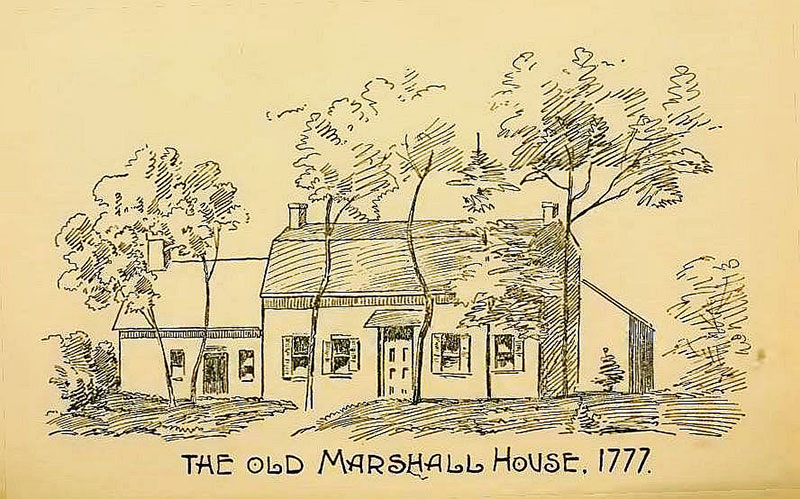
Sketch of the house in 1777
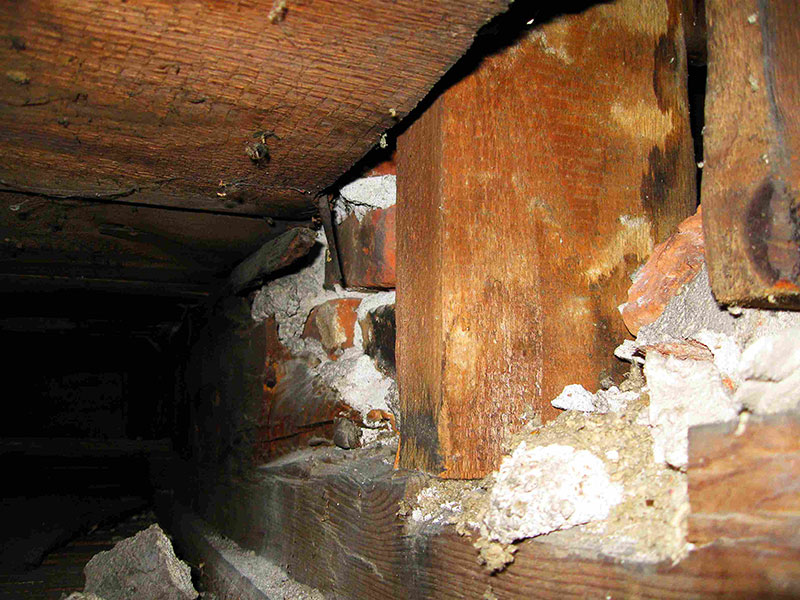
In June 1749 the Finnish explorer and naturalist Pehr Kalm reached Saratoga during is exploration of the Hudson River valley. His description of the houses he saw then would apply to those built two decades later. One such is the Marshall House where sheltered Baroness with her little children together with other women and wounded men during the closing days of the Battles of Saratoga.
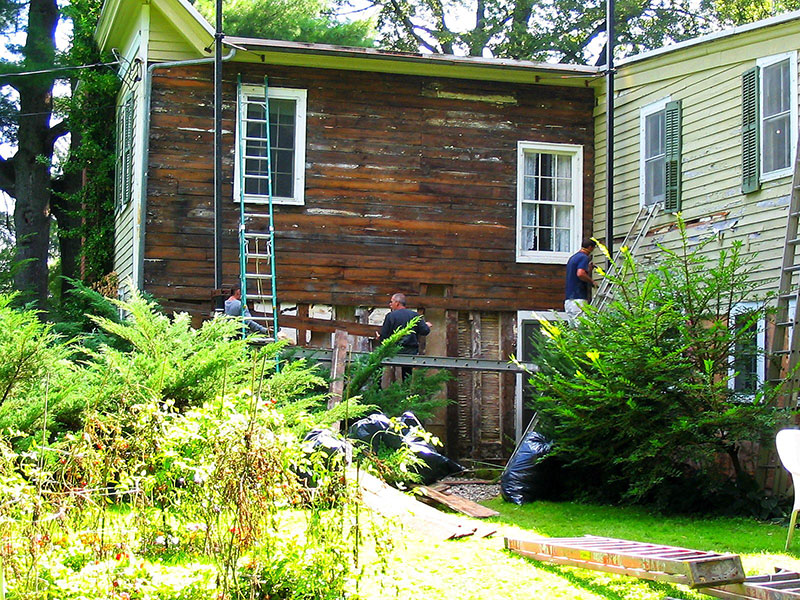
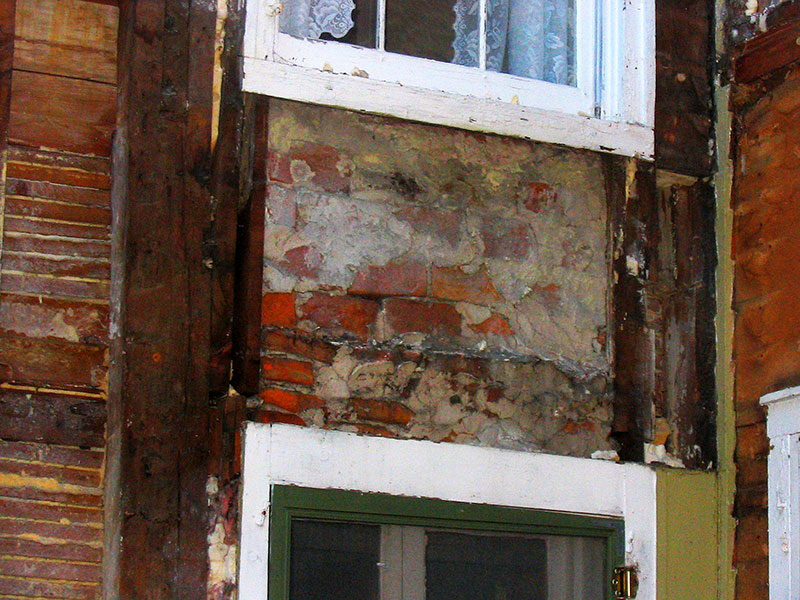
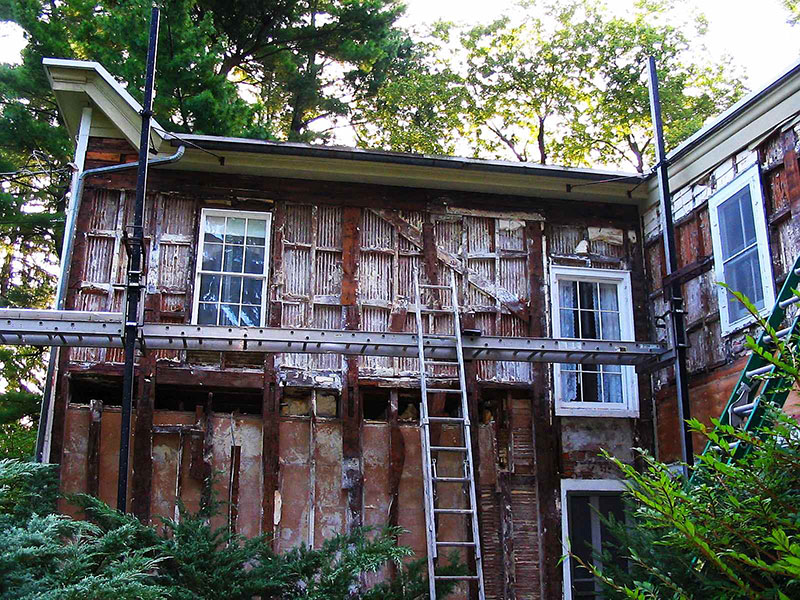
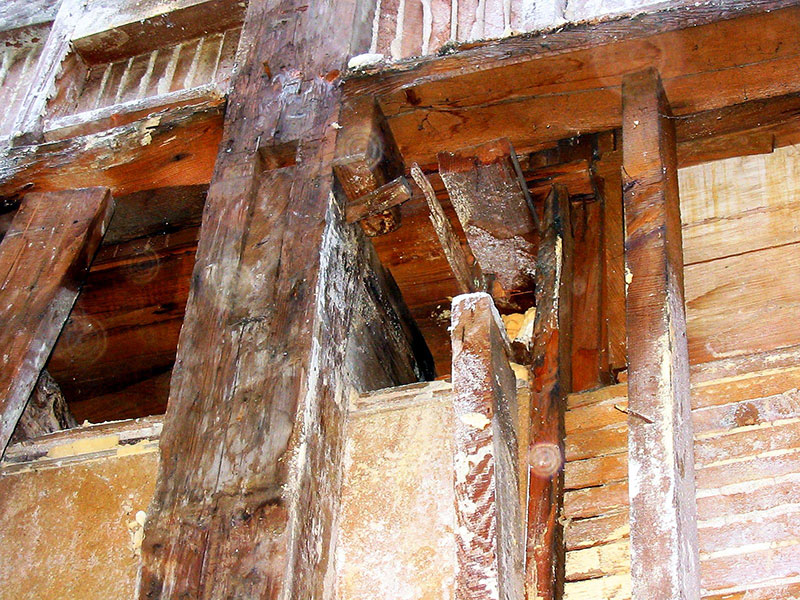
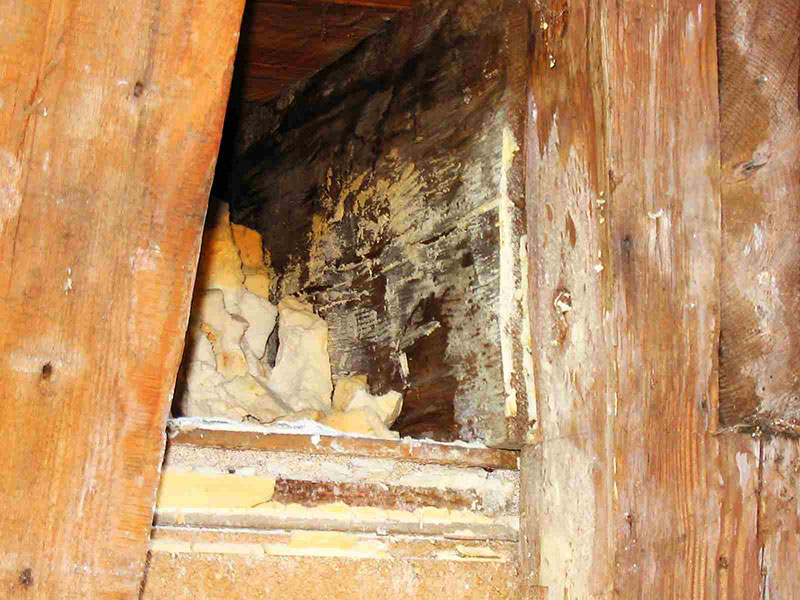
"The farms were commonly built close to the river, on the hills. Each house has a little kitchen-garden, and a still lesser orchard. Some farms, however, had large gardens. The kitchen-gardens afford several kinds of gourds, water-melons, and kidney-beans. The orchards are full of apple-trees [...]. The houses hereabouts are generally built of beams of wood, and of unburnt bricks dried by the sun and the air. The beams are first erected, and upon them a gable with two walls, and the spars.
"The wall on the gable is made of boards. The roof is covered with shingles of fir. They make the walls of unburnt bricks, between the beams, to keep the rooms warmer; and that they might not easily be destroyed by rain and air, they are covered with boards on the outside. The cellar is below the house. The farms are either built close to the river-side, or on the high grounds, and around them are large fields with maize." (Kalm, Pehr: Travels into North America, vol. II, Printed for the editor [William Eyres] and sold by T. Lowndes, London, 1771, pp. 284-5.)
The Treaty of Paris, signed February 2, 1763, brought to an end the French and Indian War which had ravaged the northeastern colonies. Invasion and raids by the French devastated the upper Hudson River valley.
With peace, settlers returned and new families arrived, many of them enticed hither by the enterprising Schuyler family of then Saratoga who offered land on generous terms and ready markets for timber and produce. In 1770, six years before the outbreak of the American Revolution, one Peter Lansing of Albany began building (in 1770) what is now known to history as The Marshall House.
Lansing’s ultimate purpose remains unclear. Several accounts suggest that his purpose was to install a family that would sustain itself by farming while collecting products for shipment downriver to Albany for marketing through his offices. Others say that Lansing intended a summer home.
Alas! The Revolution soon put whichever plan to naught. The house he had built, however, became the scene of events tragic and heroic that established it as an important landmark in our nation's history.
This site, then, tells the story of a remarkable old house and of the men, women and children, some famous, others obscure, who have dwelt here, some for a few days, others for generations. The Marshall House remains a witness at once truthful and gracious to the birth of our Republic and that which has passed since.